
Navigating the Troubles of Stomach Flu: Symptoms, Treatment, and Prevention in Australia

The Ins and Outs of Stomach Flu: Symptoms, Treatment, and Prevention
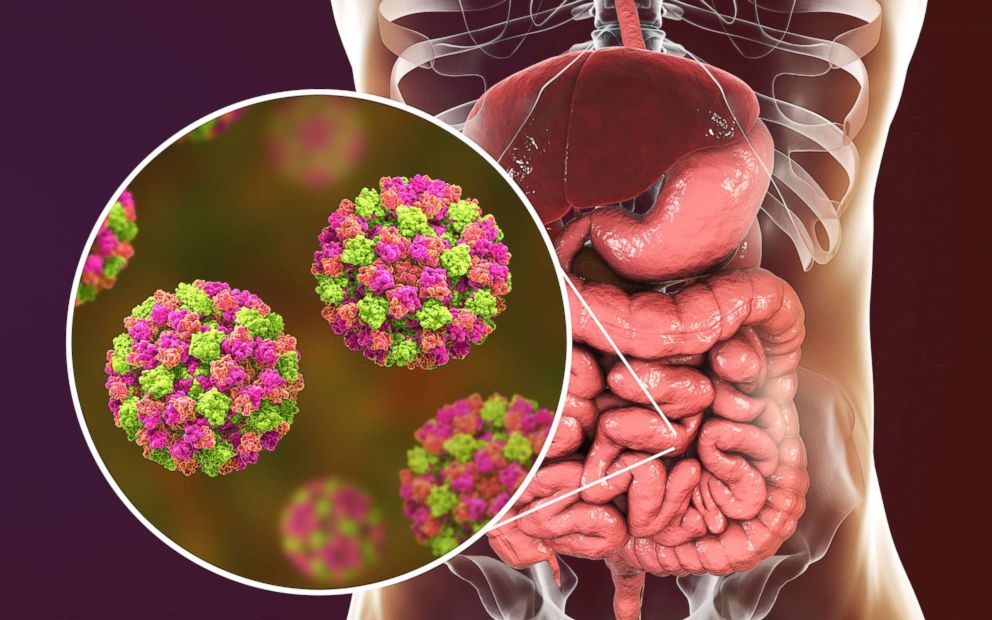
Stomach flu, also known as viral gastroenteritis, is a common illness that affects millions of people worldwide each year. Despite its name, stomach flu is not caused by the influenza virus but rather by various other viruses such as norovirus or rotavirus. This highly contagious infection primarily targets the stomach and intestines, leading to symptoms that can range from mild discomfort to severe dehydration.
Symptoms of Stomach Flu
The hallmark symptoms of stomach flu include nausea, vomiting, diarrhoea, abdominal cramps, and sometimes fever. These symptoms typically appear within 1 to 3 days after exposure to the virus and can last anywhere from a few days to a week. In severe cases, dehydration may occur due to fluid loss from vomiting and diarrhoea.
Treatment Options
While there is no specific medication to cure stomach flu since it is caused by a virus, treatment mainly focuses on alleviating symptoms and preventing complications. It is essential to stay hydrated by drinking plenty of fluids such as water, clear broths, or electrolyte solutions. Resting and avoiding solid foods until symptoms improve can also aid in recovery.
Preventing Stomach Flu
Prevention is key when it comes to avoiding stomach flu. Practising good hygiene habits such as washing hands frequently with soap and water, especially before eating or preparing food, can help reduce the risk of infection. Avoiding close contact with individuals who are sick and disinfecting commonly touched surfaces can also aid in prevention.
When to Seek Medical Attention
If symptoms persist for more than a few days or if you experience severe dehydration signs such as dry mouth, extreme thirst, dizziness, or decreased urination, it is crucial to seek medical attention promptly. Infants, young children, elderly individuals, and those with weakened immune systems are at higher risk of complications from stomach flu.
In Conclusion
Stomach flu may be a common illness that often resolves on its own with proper care and rest. By understanding its symptoms, treatment options, and prevention strategies, you can better equip yourself in managing this temporary but uncomfortable condition. Remember that staying informed and taking necessary precautions are essential steps in safeguarding your health against stomach flu.
5 Essential Tips for Managing and Recovering from Stomach Flu
- Stay hydrated by drinking plenty of fluids like water, clear broths, or electrolyte drinks.
- Rest and get plenty of sleep to help your body recover from the stomach flu.
- Avoid dairy products, fatty foods, caffeine, and alcohol until you feel better.
- Eat bland foods like crackers, toast, rice, and bananas to ease digestion.
- Wash your hands frequently to prevent spreading the stomach flu virus to others.
Stay hydrated by drinking plenty of fluids like water, clear broths, or electrolyte drinks.
To combat the effects of stomach flu, it is crucial to stay hydrated by consuming a variety of fluids such as water, clear broths, or electrolyte drinks. Hydration plays a vital role in replenishing lost fluids and electrolytes due to vomiting and diarrhoea, helping to prevent dehydration and promote a speedier recovery. By prioritising fluid intake during bouts of stomach flu, you can support your body’s healing process and alleviate symptoms more effectively.
Rest and get plenty of sleep to help your body recover from the stomach flu.
Rest and getting plenty of sleep are crucial aspects of aiding your body’s recovery from stomach flu. When battling this viral infection, allowing your body the time it needs to rest and recuperate is essential in promoting healing. Sleep not only helps boost your immune system but also allows your body to focus its energy on fighting off the virus causing the stomach flu. By prioritising rest and adequate sleep, you give your body the best chance to recover fully and regain its strength after experiencing the unpleasant symptoms of this illness.
Avoid dairy products, fatty foods, caffeine, and alcohol until you feel better.
It is advisable to steer clear of dairy products, fatty foods, caffeine, and alcohol while recovering from stomach flu. These items can exacerbate symptoms and hinder the healing process. Opting for easily digestible foods and staying hydrated with clear fluids is recommended until you start feeling better. By avoiding these triggers, you can help your stomach recover more efficiently and reduce the likelihood of further discomfort.
Eat bland foods like crackers, toast, rice, and bananas to ease digestion.
To ease digestion during a bout of stomach flu, it is recommended to consume bland foods such as crackers, toast, rice, and bananas. These easily digestible options can help settle the stomach and provide essential nutrients without exacerbating gastrointestinal distress. Opting for simple, plain foods like these can aid in soothing the digestive system and promoting recovery from stomach flu symptoms. Remember to listen to your body’s cues and gradually reintroduce more substantial foods as your condition improves.
Wash your hands frequently to prevent spreading the stomach flu virus to others.
To prevent the spread of the stomach flu virus to others, it is crucial to wash your hands frequently. Proper hand hygiene, including washing with soap and water for at least 20 seconds, can significantly reduce the risk of transmitting the virus to those around you. By making handwashing a regular practice, especially before handling food or touching your face, you can play a vital role in preventing the spread of stomach flu and maintaining a healthier environment for everyone.
The Ins and Outs of Stomach Flu: Symptoms, Treatment, and Prevention Stomach flu, also known as viral gastroenteritis, is a common illness that affects millions of people worldwide each year. Despite its name, stomach flu is not caused by the influenza virus but rather by various other viruses such as norovirus or rotavirus. This highly…