
Demystifying Throat Infections: Symptoms, Treatment, and Prevention Strategies

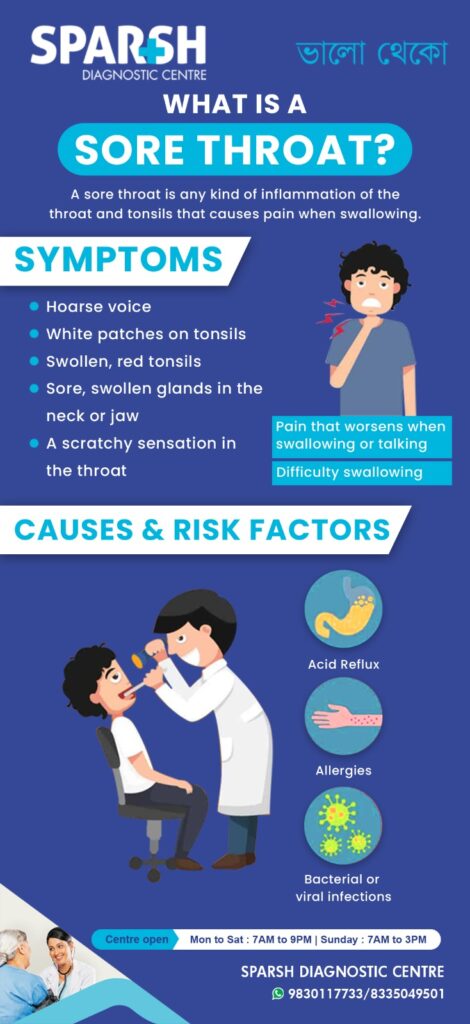
Understanding Throat Infections
A throat infection, also known as pharyngitis, is a common condition that affects people of all ages. It can be caused by various factors, including viruses, bacteria, allergies, and environmental irritants. Understanding the symptoms and treatment options for throat infections is essential for managing this uncomfortable condition.
Symptoms of Throat Infections
The symptoms of a throat infection can vary depending on the underlying cause. Common signs of pharyngitis include:
- Sore throat
- Difficulty swallowing
- Swollen lymph nodes in the neck
- Fever
- Cough
- Hoarseness
Treatment Options
The treatment for a throat infection depends on the cause of the condition. In most cases, viral infections do not require antibiotics and can be managed with rest, hydration, and over-the-counter pain relievers. Bacterial infections may require antibiotics prescribed by a healthcare professional.
Home remedies such as gargling with warm salt water, staying hydrated, and using lozenges or throat sprays can help alleviate symptoms and promote healing. It is essential to get plenty of rest and avoid irritants such as smoking or exposure to pollution.
Prevention Tips
Preventing throat infections involves practicing good hygiene habits such as washing hands regularly, avoiding close contact with sick individuals, and maintaining a healthy lifestyle to support your immune system. Staying hydrated and eating a balanced diet rich in vitamins and nutrients can also help reduce your risk of developing pharyngitis.
When to Seek Medical Help
If you experience severe or persistent symptoms of a throat infection, such as high fever, difficulty breathing, or worsening pain, it is important to seek medical attention promptly. A healthcare provider can evaluate your condition and recommend appropriate treatment based on the underlying cause of your symptoms.
By understanding the symptoms, treatment options, prevention tips, and when to seek medical help for throat infections, you can effectively manage this common condition and promote your overall health and well-being.
5 Essential Tips for Managing Throat Infections
- Stay hydrated by drinking plenty of fluids like water, herbal teas, and warm broths.
- Gargle with warm salt water to help reduce throat inflammation and relieve discomfort.
- Rest your voice by avoiding shouting or whispering, and try not to strain your vocal cords.
- Use a humidifier in your room to keep the air moist and soothe your throat.
- Avoid irritants like smoking, polluted air, and excessive alcohol which can worsen throat irritation.
Stay hydrated by drinking plenty of fluids like water, herbal teas, and warm broths.
To help alleviate symptoms and promote healing during a throat infection, it is essential to stay hydrated by consuming plenty of fluids such as water, herbal teas, and warm broths. Hydration plays a crucial role in maintaining moisture in the throat and supporting the body’s immune response. Drinking soothing liquids can also help ease discomfort and reduce inflammation, providing relief for a sore throat. By prioritizing hydration through these fluid options, individuals can aid in their recovery process and improve their overall well-being while battling a throat infection.
Gargle with warm salt water to help reduce throat inflammation and relieve discomfort.
Gargling with warm salt water is a simple yet effective tip for managing throat infections. The salt helps reduce inflammation and can provide relief from discomfort associated with a sore throat. This natural remedy can help soothe the throat and may also help to loosen mucus and reduce bacteria in the throat. Incorporating this practice into your daily routine when experiencing throat irritation can be a beneficial way to promote healing and alleviate symptoms.
Rest your voice by avoiding shouting or whispering, and try not to strain your vocal cords.
To help alleviate throat infections, it is crucial to rest your voice by refraining from shouting or whispering, as both can strain your vocal cords. By avoiding excessive vocal strain, you can give your throat the opportunity to heal and recover more effectively. Remember to speak in a moderate tone and take breaks when needed to prevent further irritation to your throat. Prioritizing vocal rest is key in promoting the healing process and reducing discomfort associated with throat infections.
Use a humidifier in your room to keep the air moist and soothe your throat.
Using a humidifier in your room can be a helpful tip for managing throat infections. By keeping the air moist, a humidifier can help soothe your throat and alleviate discomfort caused by dryness. Moist air can also help reduce irritation and inflammation in the throat, making it easier to breathe and swallow. Incorporating a humidifier into your room can provide relief and support your recovery from a throat infection.
Avoid irritants like smoking, polluted air, and excessive alcohol which can worsen throat irritation.
To alleviate throat irritation and promote healing, it is advisable to steer clear of irritants such as smoking, polluted air, and excessive alcohol consumption. These factors can exacerbate throat infections and prolong discomfort. By avoiding these irritants, you can help reduce inflammation and allow your throat to heal more effectively. Prioritizing a clean and healthy environment can significantly aid in the recovery process and prevent further aggravation of your symptoms.
Understanding Throat Infections Understanding Throat Infections A throat infection, also known as pharyngitis, is a common condition that affects people of all ages. It can be caused by various factors, including viruses, bacteria, allergies, and environmental irritants. Understanding the symptoms and treatment options for throat infections is essential for managing this uncomfortable condition. Symptoms of…