
Navigating Ovulation Pain: Understanding Causes and Remedies

Ovulation Pain: Understanding the Causes and Remedies
For many women, ovulation is a normal part of their monthly menstrual cycle. However, some may experience discomfort or pain during this time, known as ovulation pain or mittelschmerz. Understanding the causes and finding effective remedies can help alleviate this common issue.
Causes of Ovulation Pain
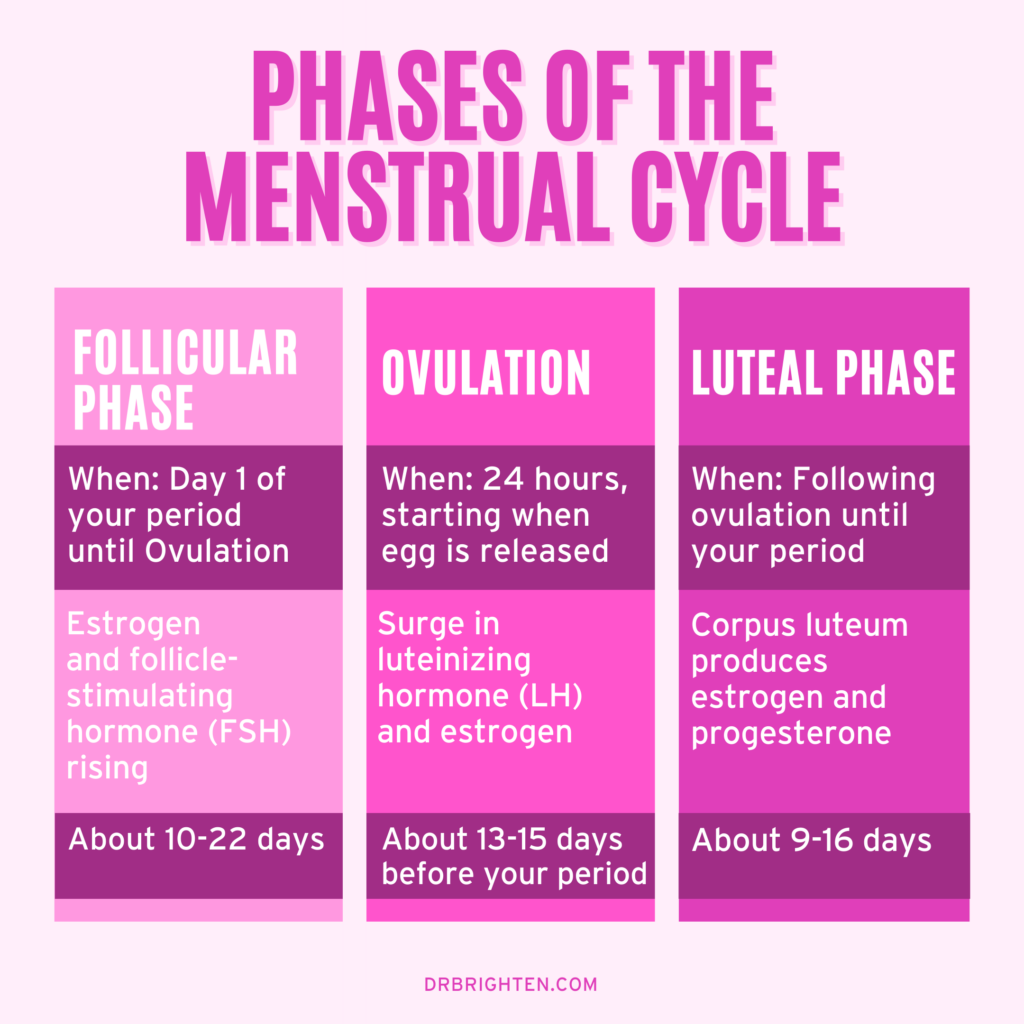
Ovulation pain typically occurs around the middle of a woman’s menstrual cycle when an egg is released from the ovary. The pain is believed to be caused by the stretching of the ovarian wall as the follicle ruptures to release the egg. Hormonal changes and the release of fluid or blood into the abdominal cavity can also contribute to discomfort.
Symptoms of Ovulation Pain
The symptoms of ovulation pain can vary from mild twinges to sharp, stabbing sensations in the lower abdomen. Some women may also experience bloating, nausea, or light vaginal bleeding during ovulation. The pain usually lasts for a few hours to a couple of days and typically resolves on its own.
Remedies for Ovulation Pain
There are several remedies that can help alleviate ovulation pain:
- Over-the-counter pain relievers: Nonsteroidal anti-inflammatory drugs (NSAIDs) such as ibuprofen can help reduce inflammation and relieve discomfort.
- Heat therapy: Applying a heating pad or hot water bottle to the lower abdomen can help relax muscles and ease cramping.
- Rest: Taking it easy and getting plenty of rest during ovulation can help reduce stress on the body and alleviate pain.
- Hydration: Drinking plenty of water can help flush out toxins and reduce bloating associated with ovulation pain.
- Healthy lifestyle choices: Maintaining a balanced diet, regular exercise routine, and managing stress levels can all contribute to reducing ovulation pain.
When to See a Doctor
If ovulation pain is severe, persistent, or accompanied by other concerning symptoms such as fever, heavy bleeding, or difficulty breathing, it’s important to seek medical attention promptly. A healthcare provider can evaluate your symptoms and recommend appropriate treatment options based on your individual needs.
In conclusion, while ovulation pain is a common occurrence for many women, understanding its causes and implementing effective remedies can help manage discomfort during this time. By taking proactive steps to care for your body and seeking medical advice when needed, you can navigate through ovulation with greater ease and comfort.
6 Tips for Managing Ovulation Pain: Effective Remedies and When to Seek Help
- Apply a heating pad or warm compress to the lower abdomen to ease discomfort.
- Take over-the-counter pain relievers such as ibuprofen or paracetamol as directed.
- Stay hydrated by drinking plenty of water to help alleviate cramping.
- Practice relaxation techniques like deep breathing or gentle yoga to reduce stress and tension.
- Maintain a healthy diet rich in fruits, vegetables, and whole grains to support overall reproductive health.
- Consult a healthcare provider if ovulation pain is severe or persistent for further evaluation and management.
Apply a heating pad or warm compress to the lower abdomen to ease discomfort.
To alleviate discomfort associated with ovulation pain, a helpful tip is to apply a heating pad or warm compress to the lower abdomen. The gentle warmth can help relax muscles and ease cramping, providing relief from the twinges or sharp sensations that may occur during this time. By incorporating this simple remedy into your routine, you can effectively manage ovulation pain and promote greater comfort throughout your menstrual cycle.
Take over-the-counter pain relievers such as ibuprofen or paracetamol as directed.
When experiencing ovulation pain, it may be beneficial to take over-the-counter pain relievers such as ibuprofen or paracetamol as directed by a healthcare professional. These medications can help alleviate discomfort and reduce inflammation associated with ovulation pain. It’s important to follow the recommended dosage and usage instructions to ensure safe and effective relief from symptoms. Always consult with a healthcare provider before taking any medication to address ovulation pain or any other health concern.
Stay hydrated by drinking plenty of water to help alleviate cramping.
Staying hydrated by drinking plenty of water is a simple yet effective tip to help alleviate cramping associated with ovulation pain. Proper hydration can aid in reducing bloating, flushing out toxins, and promoting overall well-being during this time. By making a conscious effort to drink an adequate amount of water daily, women experiencing ovulation pain can potentially ease discomfort and support their body’s natural processes.
Practice relaxation techniques like deep breathing or gentle yoga to reduce stress and tension.
To alleviate ovulation pain, it can be beneficial to incorporate relaxation techniques such as deep breathing or gentle yoga into your routine. By practising these methods, you can effectively reduce stress and tension in the body, which may help ease discomfort during ovulation. Engaging in calming activities like deep breathing exercises or gentle yoga poses can promote relaxation, improve blood flow, and provide relief from the physical and emotional symptoms associated with ovulation pain.
Maintain a healthy diet rich in fruits, vegetables, and whole grains to support overall reproductive health.
To alleviate ovulation pain, it is recommended to maintain a healthy diet that includes a variety of fruits, vegetables, and whole grains. These nutrient-rich foods not only support overall reproductive health but also provide essential vitamins and minerals that can help reduce inflammation and promote hormonal balance. By incorporating a balanced diet into your lifestyle, you can potentially mitigate ovulation pain and enhance your well-being during this phase of your menstrual cycle.
Consult a healthcare provider if ovulation pain is severe or persistent for further evaluation and management.
It is advisable to consult a healthcare provider if ovulation pain becomes severe or persistent for a thorough evaluation and appropriate management. Seeking professional medical advice can help identify any underlying issues and ensure that you receive the necessary care and treatment tailored to your specific needs. Taking proactive steps towards addressing severe or prolonged ovulation pain can lead to a better understanding of your health and well-being.
Ovulation Pain: Understanding the Causes and Remedies Ovulation Pain: Understanding the Causes and Remedies For many women, ovulation is a normal part of their monthly menstrual cycle. However, some may experience discomfort or pain during this time, known as ovulation pain or mittelschmerz. Understanding the causes and finding effective remedies can help alleviate this common…