
Bosch Artist: The Life and Fantastical Visions of Hieronymus Bosch

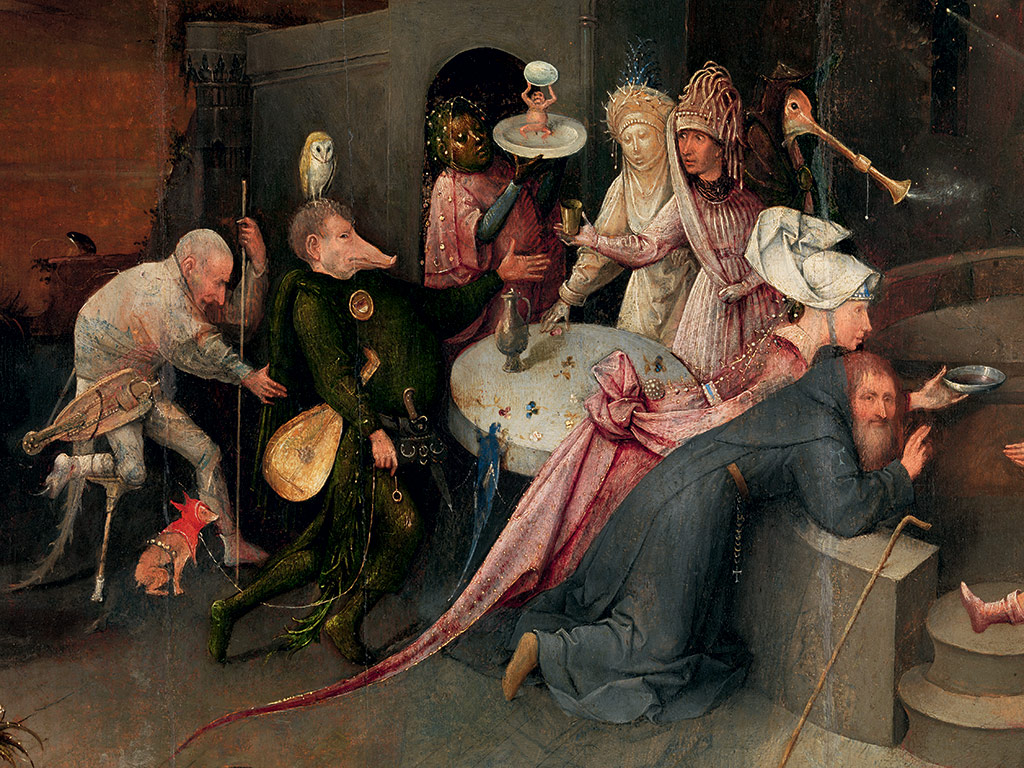
Hieronymus Bosch: The Artist Behind the Fantastical Visions
Hieronymus Bosch was a Dutch painter whose imaginative works remain among the most distinctive in European art. Filled with strange creatures, vivid landscapes and scenes of temptation and punishment, his paintings invite viewers to look closely—and often leave them wondering what they have seen.
Who was Hieronymus Bosch?
Bosch was born around 1450 in ’s-Hertogenbosch, a city in the Duchy of Brabant, in what is now the Netherlands. His name is commonly understood as a reference to his hometown. He lived and worked there for most of his life, and died in 1516.
Relatively little is known about Bosch’s life. He belonged to a family of painters and was part of a religious confraternity in ’s-Hertogenbosch. No securely documented workshop records or personal writings explain how he developed the unusual imagery found in his paintings.
A world of symbols and surprises
Bosch’s art is renowned for its densely populated scenes. Human figures share the canvas with hybrid beasts, oversized objects and fantastical inventions. Some details are comic or unsettling; others appear to warn viewers about sin, greed, vanity and the consequences of moral choices.
His paintings draw on the religious beliefs and popular imagery of his time. Yet their meaning is not always straightforward. Scholars continue to debate the symbolism of many figures and episodes, so it is best to approach the works as complex visual narratives rather than illustrations with one simple interpretation.
Famous works
The Garden of Earthly Delights is Bosch’s best-known work. This large triptych presents a sequence of scenes that is often read as moving from the Garden of Eden to a fantastical world of earthly pleasures, and then to a vision of Hell. Its intricate details reward slow, repeated viewing.
Other notable works include The Haywain, which explores humanity’s pursuit of worldly goods, and The Temptation of St Anthony, a depiction of the saint surrounded by bizarre and threatening visions. Bosch’s paintings often combine moral seriousness with startling invention, creating images that are memorable as well as challenging.
Influence and legacy
Bosch’s imaginative approach influenced later artists, particularly those interested in fantastical subjects and unconventional forms. His work is sometimes linked to modern surrealism, although Bosch painted centuries before that movement emerged. The comparison reflects the dreamlike quality of his images, not a direct connection to modern artistic ideas.
Many paintings once attributed to Bosch have since been questioned, and researchers continue to examine which works were made by the artist, his workshop or later followers. This uncertainty is part of the challenge of studying his career—and a reminder that his reputation has grown through centuries of interpretation.
Why Bosch still fascinates
Bosch’s paintings bring together beauty, humour, anxiety and moral reflection. Their strange details can feel surprisingly modern, while their religious concerns remain rooted in the world in which he lived. More than five hundred years later, his art continues to draw viewers into its intricate scenes and keep its mysteries alive.
7 Reasons to Admire Hieronymus Bosch’s Art
- Created imaginative and highly distinctive paintings.
- Filled artworks with intricate details to explore.
- Blended humour, beauty and unsettling imagery.
- Explored themes of temptation and morality.
- Painted the renowned The Garden of Earthly Delights.
- Inspired artists across later generations.
- Continues to fascinate viewers worldwide.
Five Challenges in Understanding Hieronymus Bosch’s Art
- Many of Bosch’s symbols are difficult to interpret.
- Little is known about his life and working methods.
- Some works attributed to him may be by followers.
- His religious imagery can feel unsettling.
- The dense details can be overwhelming.
Created imaginative and highly distinctive paintings.
One of the greatest strengths of Bosch’s art is its extraordinary imagination and distinctive style. His paintings bring together fantastical creatures, unusual settings and intricate details to create scenes unlike those of most artists of his time. This inventive approach makes his work instantly recognisable and encourages viewers to look closely, discover new details and form their own interpretations.
Filled artworks with intricate details to explore.
One of the great strengths of Bosch’s art is its wealth of intricate detail. His paintings are filled with curious figures, fantastical creatures and unexpected scenes that reward close, unhurried viewing. Each closer look can reveal something new, inviting viewers to explore the work at their own pace and form their own interpretations.
Blended humour, beauty and unsettling imagery.
A standout strength of Bosch’s art is the way it blends humour, beauty and unsettling imagery. Playful details and imaginative creatures can make his paintings feel lively and amusing, while their intricate landscapes draw the eye with their beauty. Yet beneath the charm, strange figures and disturbing scenes create a sense of unease, encouraging viewers to look more closely and reflect on the work’s deeper meaning.
Explored themes of temptation and morality.
A key strength of Bosch’s art is the way it explores temptation and morality through vivid, imaginative scenes. His paintings often show people drawn towards pleasure, wealth or indulgence, while hinting at the consequences of their choices. Rather than presenting simple lessons, Bosch fills his works with symbolic details that encourage viewers to reflect on human behaviour and make their own interpretations.
Painted the renowned The Garden of Earthly Delights.
One of Hieronymus Bosch’s greatest achievements is painting The Garden of Earthly Delights, a renowned triptych celebrated for its intricate detail and extraordinary imagination. Its vivid scenes invite viewers to explore a richly symbolic world, making the work one of the most fascinating and memorable paintings in Western art.
Inspired artists across later generations.
One of Hieronymus Bosch’s greatest strengths as an artist is the lasting influence of his imaginative style. His fantastical creatures, surreal scenes and intricate symbolism inspired artists across later generations, encouraging them to experiment with unusual subjects and expressive visual storytelling. Centuries on, Bosch’s distinctive world continues to spark curiosity and creative ideas.
Continues to fascinate viewers worldwide.
Bosch’s imaginative paintings continue to fascinate viewers worldwide with their extraordinary mix of strange creatures, intricate details and dreamlike scenes. Each work invites a closer look, offering new details and interpretations that keep audiences curious across generations and cultures.
Many of Bosch’s symbols are difficult to interpret.
One challenge when viewing Bosch’s art is that many of its symbols are difficult to interpret. His paintings are filled with unusual creatures, objects and scenes, and their meanings are not always clear. While some details may reflect the religious beliefs and moral concerns of his time, scholars still debate what particular images represent. This ambiguity can make Bosch’s work fascinating, but it can also leave viewers unsure how to understand the stories unfolding across the canvas.
Little is known about his life and working methods.
One drawback when studying Bosch is that little is known about his life and working methods. Few reliable records explain how he planned his paintings, ran his workshop or developed his distinctive imagery, which makes it difficult to separate fact from speculation. As a result, interpretations of his art can be fascinating but uncertain, and some works attributed to him remain disputed.
Some works attributed to him may be by followers.
A challenge when studying Bosch is that some works traditionally attributed to him may actually have been painted by members of his workshop or later followers. Because relatively little is known about his working methods, and his distinctive style was widely imitated, experts do not always agree on which paintings are genuinely his. This uncertainty can make it harder to assess Bosch’s artistic development and legacy.
His religious imagery can feel unsettling.
Bosch’s religious imagery can feel unsettling, particularly in scenes crowded with demons, punishments and grotesque creatures. His vivid depictions of sin and suffering may be confronting for some viewers, and the symbolism can be difficult to interpret without knowledge of the religious beliefs of his time. While these disturbing details are central to the power of his work, they may make it less comfortable or accessible for audiences seeking gentler subject matter.
The dense details can be overwhelming.
One drawback of Bosch’s work is its dense detail, which can feel overwhelming at first. His paintings are packed with figures, symbols and fantastical scenes, making it difficult to know where to look or how to interpret everything. While this complexity rewards close attention, it can also make the overall composition hard to follow for viewers who prefer a clearer, more direct visual story.
Hieronymus Bosch: The Artist Behind the Fantastical Visions Hieronymus Bosch was a Dutch painter whose imaginative works remain among the most distinctive in European art. Filled with strange creatures, vivid landscapes and scenes of temptation and punishment, his paintings invite viewers to look closely—and often leave them wondering what they have seen. Who was Hieronymus…