
PCOS Treatment: Managing Symptoms and Supporting Your Health

PCOS Treatment: Managing Symptoms and Supporting Your Health
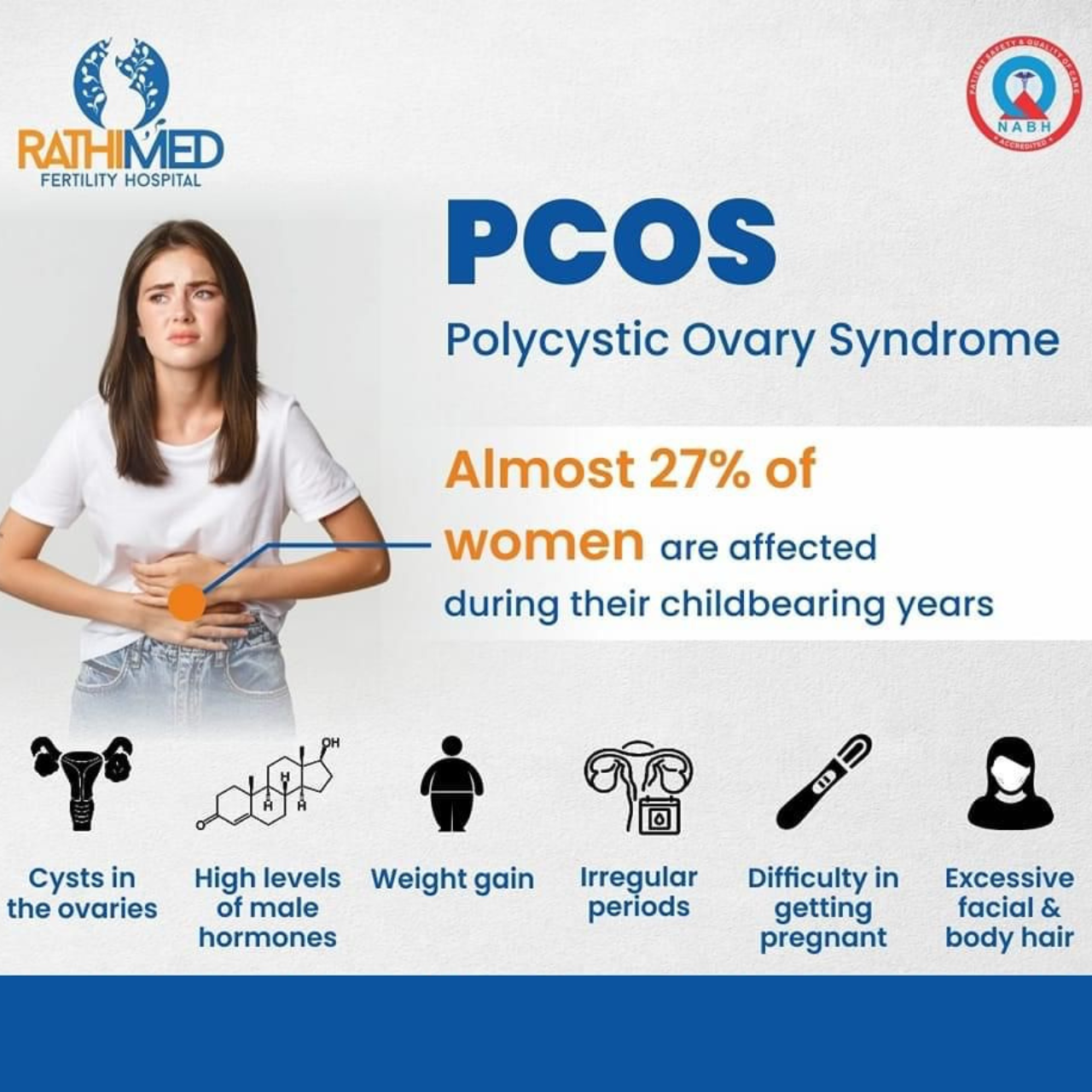
Polycystic ovary syndrome (PCOS) is a common hormonal condition that can affect menstrual cycles, skin, hair growth, fertility and long-term health. There isn’t a single treatment that suits everyone, and PCOS cannot currently be cured. However, symptoms can often be managed with a combination of lifestyle support, medicines and regular health checks.
The right approach depends on your symptoms, health history and whether you’re hoping to become pregnant. A GP can help develop a plan and refer you to a gynaecologist, endocrinologist or fertility specialist if needed.
Start with an individual care plan
PCOS can look different from person to person. Some people mainly want support with irregular periods or acne; others may be concerned about unwanted hair growth, fertility or blood sugar levels. Treatment should focus on the issues that matter to you, rather than on a diagnosis alone.
A clinician may review your menstrual cycle, symptoms, medicines and family history, and arrange blood tests or other checks. They may also assess blood pressure, cholesterol and blood glucose, as PCOS is associated with a higher chance of insulin resistance and type 2 diabetes.
Lifestyle support
Regular movement, balanced meals, adequate sleep and support for stress can benefit general health and may improve some PCOS symptoms. These steps can be helpful regardless of body size. There is no single “PCOS diet”, and restrictive diets or unproven supplements are not necessary for everyone.
If weight management is a goal, it should be approached in a way that is practical, sustainable and free from judgement. Even when weight doesn’t change, healthy habits can still support wellbeing and metabolic health. A dietitian or exercise professional with experience in PCOS may be able to help.
Medicines for periods and other symptoms
Depending on your circumstances, a doctor may discuss:
- The combined oral contraceptive pill: This may help make periods more regular and improve acne or excess hair growth. It is not suitable for everyone, so your clinician will consider your medical history and other risk factors.
- Progestogen treatment: If periods are very infrequent, a clinician may recommend periodic progestogen or another option to protect the lining of the uterus. Long gaps between periods are worth discussing with a GP.
- Medicines for unwanted hair growth: Some medicines, including anti-androgens, may be considered when other treatments haven’t helped. They can harm a developing pregnancy, so reliable contraception and medical supervision are important.
- Acne treatment: Options may include topical treatments or prescription medicines. The best choice depends on the severity of the acne and whether pregnancy is possible or planned.
Metformin and metabolic health
Metformin is a medicine commonly used for type 2 diabetes. A clinician may consider it for some people with PCOS, particularly where blood glucose or insulin-related concerns are present, or to support menstrual regularity. It is not the right option for everyone, and it can cause side effects such as nausea or diarrhoea. Your doctor can discuss whether it is appropriate and how to take it safely.
PCOS and fertility
PCOS can make ovulation less regular, which may make it harder to conceive. Many people with PCOS do become pregnant, with or without treatment. If you’re trying to conceive, speak with a GP or fertility specialist about your options.
For people who are not ovulating regularly, letrozole is often used as a first-line medicine to induce ovulation, under medical supervision. Other treatments, including injectable medicines or assisted reproductive technologies, may be considered if needed. Preconception care can also include reviewing medicines, checking vaccinations and discussing folic acid and other health factors.
Look after your mental wellbeing
Living with PCOS can affect confidence, mood and body image. Anxiety and depression are also more common among people with PCOS. If symptoms are affecting your daily life, tell your GP. Psychological support, peer networks and treatment for mental health conditions can be part of PCOS care.
Keep up with regular reviews
PCOS care may change over time, so regular reviews are useful even if your symptoms seem manageable. Ask your GP how often you should check blood pressure, cholesterol and blood glucose, and what to do if your periods stop for an extended period.
Seek medical advice if you have a sudden or significant change in symptoms, very heavy bleeding, or concerns about your medicines. For severe symptoms or an urgent health concern, contact a health professional promptly.
The bottom line
PCOS treatment is tailored to your symptoms and goals. Lifestyle support, medicines and fertility care can all play a role, but no single approach works for everyone. A GP can help you understand your options and build a plan that supports both your current concerns and your long-term health.
This article is general information only and is not a substitute for personalised medical advice. Speak with a qualified health professional about diagnosis and treatment.
6 Tips for Managing PCOS: Treatment and Ongoing Care
- See your GP to tailor treatment to your symptoms and goals.
- Regular movement and balanced meals can support overall health.
- Ask about hormonal contraception for irregular periods or acne.
- Metformin may help some people; discuss benefits and risks with your doctor.
- If trying to conceive, ask about ovulation and fertility treatment options.
- Keep up with checks for blood pressure, blood sugar and cholesterol.
See your GP to tailor treatment to your symptoms and goals.
See your GP to create a PCOS treatment plan that suits your symptoms, health needs and personal goals. Whether you’re looking for support with irregular periods, acne, unwanted hair growth, fertility or long-term health, your GP can explain the options and help you decide what may work best for you.
Regular movement and balanced meals can support overall health.
Regular movement and balanced meals can support overall health when managing PCOS. Aim for physical activity you enjoy and can maintain, alongside nourishing meals that include a variety of vegetables, wholegrains, protein sources and healthy fats. There’s no single diet or exercise plan that works for everyone, so choose an approach that suits your needs and speak with a GP or dietitian for personalised advice.
Ask about hormonal contraception for irregular periods or acne.
Ask your GP whether hormonal contraception could help manage irregular periods or acne associated with PCOS. The combined oral contraceptive pill may make periods more predictable and improve acne for some people, but it isn’t suitable for everyone. Your doctor can talk through the benefits, possible side effects and other options based on your health history and whether you’re planning a pregnancy.
Metformin may help some people; discuss benefits and risks with your doctor.
Metformin may be recommended for some people with PCOS, particularly to support blood glucose management or help with irregular periods. It isn’t suitable for everyone and can cause side effects such as nausea or diarrhoea. Talk with your doctor about the potential benefits and risks, and whether it’s appropriate for your health needs.
If trying to conceive, ask about ovulation and fertility treatment options.
If you’re trying to conceive and have PCOS, talk with your GP about whether you’re ovulating regularly and what support may help. They can discuss fertility treatment options, explain the next steps and refer you to a fertility specialist if needed.
Keep up with checks for blood pressure, blood sugar and cholesterol.
Regular checks of your blood pressure, blood sugar and cholesterol are an important part of PCOS care. PCOS can be linked with a higher risk of insulin resistance, type 2 diabetes and heart-related conditions, sometimes without obvious symptoms. Your GP can advise how often to have these checks based on your health and medical history, and help you understand the results and any next steps.
PCOS Treatment: Managing Symptoms and Supporting Your Health Polycystic ovary syndrome (PCOS) is a common hormonal condition that can affect menstrual cycles, skin, hair growth, fertility and long-term health. There isn’t a single treatment that suits everyone, and PCOS cannot currently be cured. However, symptoms can often be managed with a combination of lifestyle support,…