
What Is a Physician? Roles, Specialties and Training in Australia

What Is a Physician?
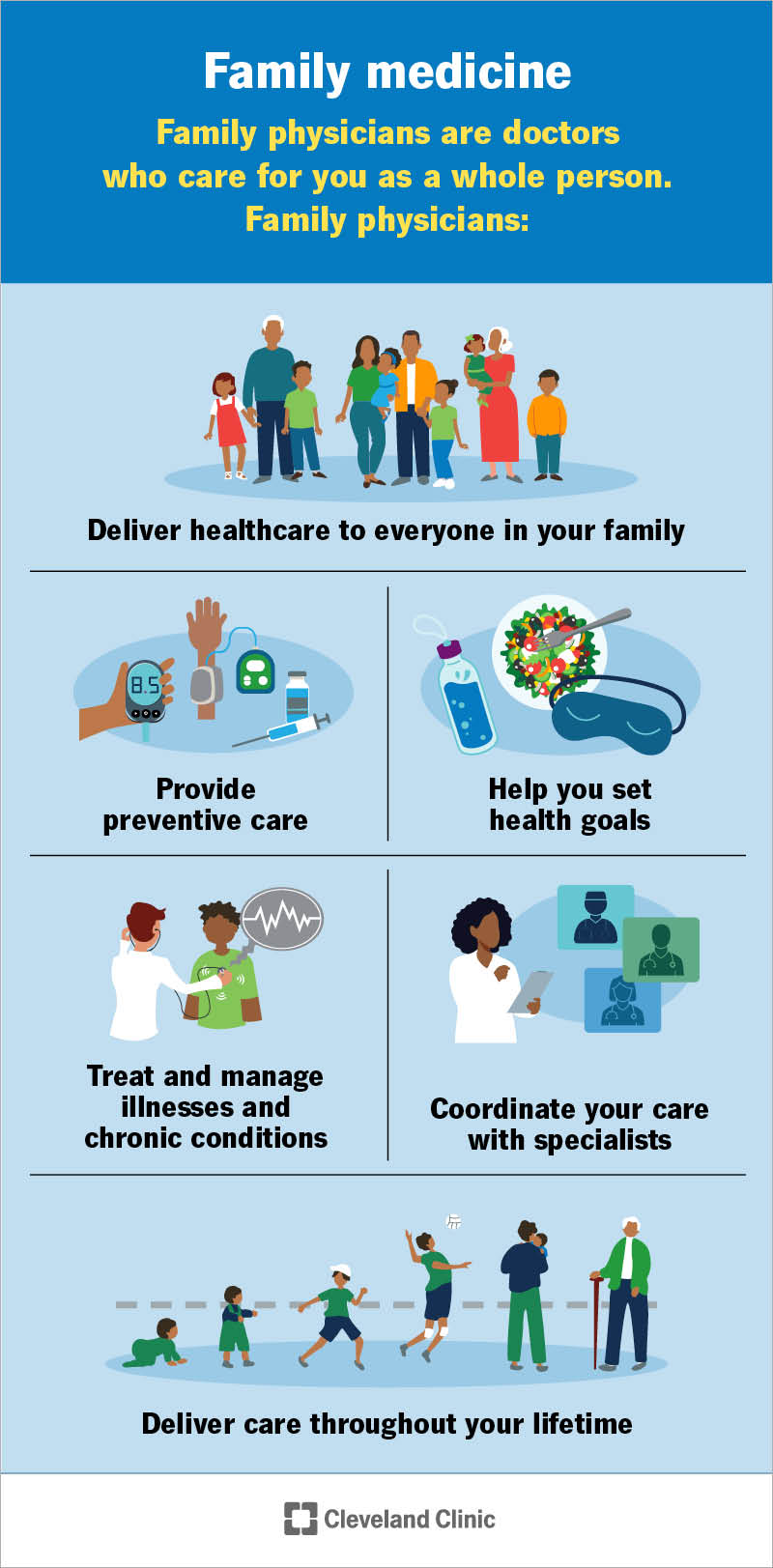
A physician is a medical doctor who assesses health concerns, diagnoses illness and helps people manage their health. The term is used differently around the world. In Australia, it often refers specifically to a specialist in internal medicine, while “doctor” is the more common general term for a medical practitioner.
What Does a Physician Do?
Physicians use a patient’s symptoms, medical history, examination and test results to understand what may be affecting their health. They can recommend treatment, prescribe medicines, monitor ongoing conditions and work with other health professionals to coordinate care.
Many physicians focus on diagnosing and treating medical conditions without performing surgery. Depending on their specialty, they may care for people with short-term illnesses, complex health problems or chronic conditions that require ongoing support.
Physicians in Australia
In Australia, a physician is commonly a specialist doctor who has completed advanced training in adult internal medicine. Physicians may work in hospitals, specialist clinics or other healthcare settings. Some provide general medical care, while others specialise in a particular area.
A general practitioner (GP) is often the first point of contact for everyday health concerns. A GP can assess a problem, provide treatment and, when needed, refer a patient to a physician or another specialist. A referral may be required to see a specialist, particularly when seeking care through the public system or claiming a Medicare rebate.
Common Physician Specialties
Internal medicine includes a range of specialties. These may include:
- Cardiology: conditions affecting the heart and circulation.
- Endocrinology: conditions involving hormones and glands, such as diabetes or thyroid disorders.
- Gastroenterology: conditions affecting the digestive system.
- Respiratory medicine: conditions affecting the lungs and breathing.
- Rheumatology: inflammatory and autoimmune conditions affecting joints and connective tissues.
- Infectious diseases: complex infections and their treatment.
Training and Qualifications
Becoming a physician involves extensive medical education and supervised clinical training. In Australia, doctors first complete an accredited medical degree and undertake postgraduate training. Those who pursue physician training then complete specialist education and examinations through the relevant professional training pathway.
Training requirements vary between countries and specialties. When choosing a specialist, patients can check their registration and qualifications through official health practitioner registers.
When Might You See a Physician?
A GP may refer someone to a physician when a condition is complex, difficult to diagnose or requires specialist expertise. A physician may also help manage a long-term condition or provide another opinion about a diagnosis or treatment plan.
Before an appointment, it can help to write down symptoms, questions and current medicines. Bringing relevant test results or referral documents may also make it easier for the specialist to understand the situation.
A Key Part of Healthcare
Physicians play an important role in diagnosing and managing many health conditions. Their specialist knowledge can support patients, GPs and other healthcare professionals in developing appropriate care. If you have concerns about your health, a GP or another qualified health professional can help determine what care is suitable.
Physicians in Australia: 7 Frequently Asked Questions
- What does a physician do?
- What is the difference between a physician and a doctor in Australia?
- Do I need a GP referral to see a physician in Australia?
- What conditions do physicians treat?
- How do I become a physician in Australia?
- How much does it cost to see a physician in Australia?
- How can I find a physician in Australia?
What does a physician do?
A physician assesses, diagnoses and treats a wide range of health conditions. They may review your symptoms and medical history, arrange or interpret tests, recommend treatment and monitor ongoing health concerns. In Australia, “physician” commonly refers to a specialist in internal medicine, who may focus on areas such as heart, lung or digestive health. A GP can refer you to a physician when specialist advice or care is needed.
What is the difference between a physician and a doctor in Australia?
In Australia, “doctor” is a broad term for a qualified medical practitioner, while “physician” usually means a specialist doctor trained in internal medicine, such as a cardiologist or endocrinologist. A GP is also a doctor, but is not usually called a physician in the Australian context. Depending on the country, the word “physician” can have a broader meaning, so it’s best to check the practitioner’s specialty and registration.
Do I need a GP referral to see a physician in Australia?
In Australia, you can usually book an appointment with a physician without a GP referral, but having one may help the specialist understand your medical history and coordinate your care. A valid referral is generally needed to claim a Medicare rebate for specialist services, and some clinics or public hospital services may require one before accepting an appointment. Check with the physician’s rooms and Medicare, or ask your GP, about the requirements for your situation.
What conditions do physicians treat?
Physicians treat a wide range of medical conditions, depending on their specialty. These may include heart and lung conditions, diabetes and other hormone disorders, digestive problems, infections, and inflammatory or autoimmune diseases. In Australia, a physician commonly specialises in internal medicine and may help diagnose complex health concerns or manage ongoing conditions. A GP can assess your needs and refer you to an appropriate physician if specialist care is required.
How do I become a physician in Australia?
To become a physician in Australia, you first need to complete an accredited medical degree, then undertake supervised postgraduate training as a doctor. After gaining the required clinical experience, you can apply for specialist physician training through the Royal Australasian College of Physicians (RACP). This involves several years of training, examinations and workplace assessments. Once you meet the requirements, you can apply for specialist registration with the Medical Board of Australia. Exact pathways and timelines vary, so check the latest requirements with the RACP and the Australian Health Practitioner Regulation Agency (Ahpra).
How much does it cost to see a physician in Australia?
The cost of seeing a physician in Australia varies depending on the specialist, appointment length, location and whether the consultation is in a public or private setting. If you’re treated as a public patient in a public hospital, specialist care is generally covered by Medicare, though waiting times may apply. For a private consultation, the physician sets their own fee; Medicare may cover part of the cost if you have an eligible referral, but you’ll usually need to pay any gap. Ask the clinic about its fees and the expected Medicare rebate before booking.
How can I find a physician in Australia?
To find a physician in Australia, start by speaking with your GP, who can assess your needs and provide a referral if required. You can also search for specialists through state or territory health service websites, hospital directories or professional colleges, and check a practitioner’s registration on the Australian Health Practitioner Regulation Agency (Ahpra) register. Before booking, confirm the physician’s specialty, location, fees and whether they accept your referral or offer Medicare rebates.
What Is a Physician? A physician is a medical doctor who assesses health concerns, diagnoses illness and helps people manage their health. The term is used differently around the world. In Australia, it often refers specifically to a specialist in internal medicine, while “doctor” is the more common general term for a medical practitioner. What…