
How to Choose the Right Sketch Pad for Your Creative Style

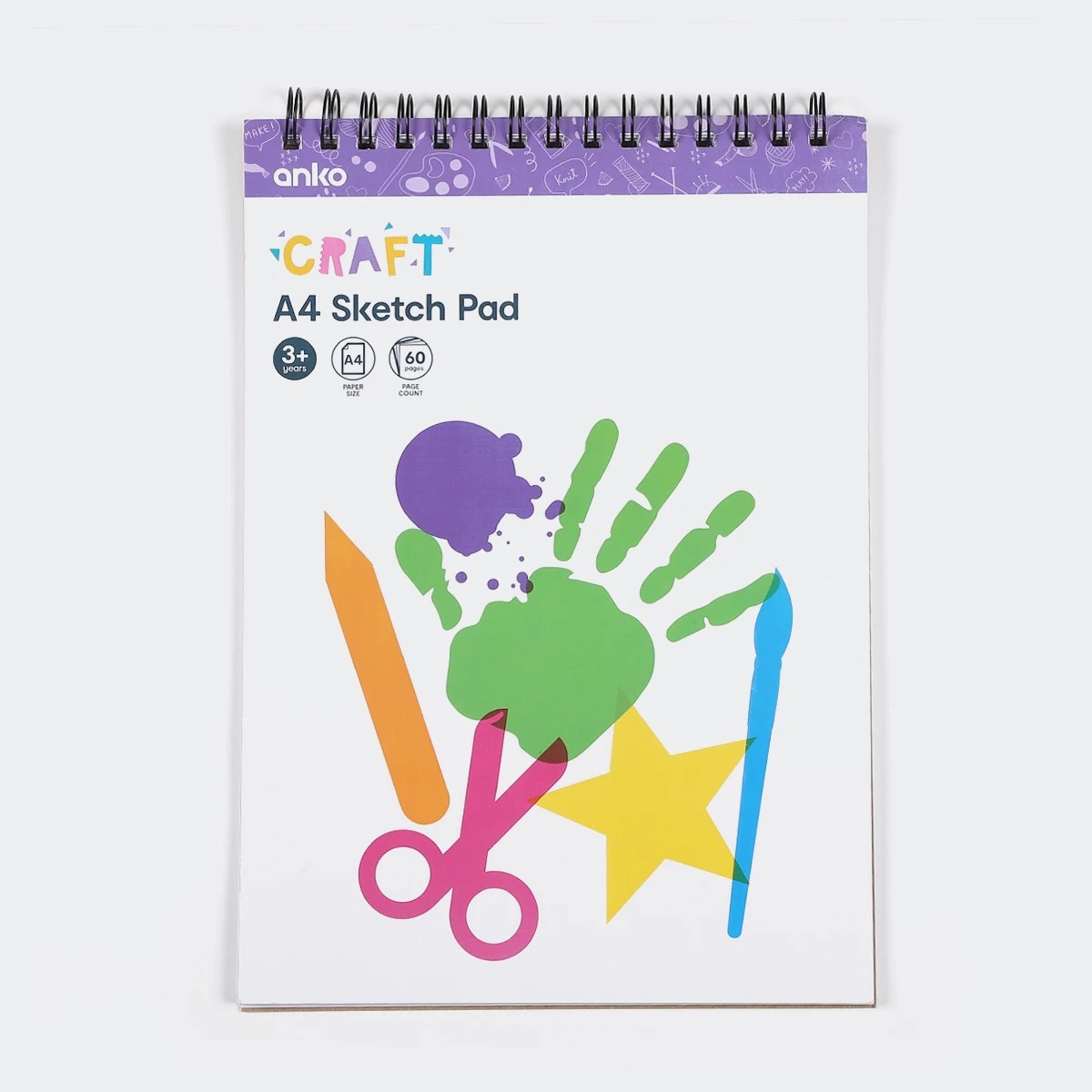
Choosing the Right Sketch Pad
A sketch pad is a simple but versatile tool for capturing ideas, practising drawing and developing finished artwork. Whether you’re just starting out or have been drawing for years, the right pad can make your creative sessions more enjoyable and help you get better results.
What is a sketch pad?
A sketch pad is a book or pad of paper designed for drawing. It usually contains multiple sheets that can be used for quick studies, rough ideas, life drawing or more polished illustrations. Sketch pads come in a range of sizes, paper weights and textures, so it’s worth choosing one that suits the materials you plan to use.
Consider the paper
The paper is one of the most important features to consider. Lightweight, smooth paper is often a good choice for pencil, biro and fine liners. It allows for clean lines and is easy to turn through when you’re practising or making quick sketches.
For charcoal, soft pastels or heavier pencil work, look for thicker paper with more texture. The tooth of the paper helps these materials grip the surface. If you plan to use watercolour, markers or other wet media, choose a pad specifically designed for those materials. Standard sketch paper may buckle, bleed or show marks through to the next sheet.
Pick a size that suits your work
A small sketch pad is easy to carry in a bag and handy for drawing on the go. It’s ideal for quick observations, travel sketches and keeping a visual diary. Larger pads give you more room to work on detail, practise broad gestures or create compositions without feeling restricted.
If you’re unsure, an A4 pad is a practical all-round option. It offers enough space for most studies while remaining easy to store and carry.
Look at the binding
Sketch pads are commonly bound with glue, staples or a spiral wire. A glued pad has a neat edge and can make it easy to remove sheets, while a spiral-bound pad folds back on itself and sits flat on a desk. A top-bound pad can be especially convenient for left-handed artists, as the binding is less likely to get in the way while drawing.
For work you want to keep or display, check whether the pages are perforated. Perforations make it easier to remove a sheet cleanly without tearing the paper.
Match the pad to your medium
- Pencil: Smooth or lightly textured paper works well for everyday sketches and shading.
- Charcoal: Choose heavier paper with a noticeable texture to help hold the pigment.
- Pen and ink: Look for smooth paper that can handle fine lines without excessive feathering.
- Markers: Use marker paper or a pad designed to limit bleed-through.
- Watercolour: Choose watercolour paper rather than a standard sketch pad.
Tips for getting more from your sketch pad
Keep your sketch pad somewhere easy to reach. A pad that’s close at hand makes it simpler to draw whenever an idea strikes. Try setting aside a few minutes each day for a quick sketch, even if it’s just an everyday object on your desk.
Don’t worry about making every page look finished. A sketch pad is a place to experiment, make mistakes and learn. Use different marks, try unfamiliar subjects and note down ideas alongside your drawings. Dating your pages can also help you see how your skills and interests develop over time.
A useful companion for every artist
The best sketch pad is the one that suits your materials, working style and budget. Start with a practical option, then try different paper surfaces and formats as your needs change. With a dependable pad nearby, you’ll always have a place to explore ideas and put pencil to paper.
5 Benefits of a Sketch Pad for Creativity on the Go
- Easy to carry for drawing on the go.
- Great for practising and developing ideas.
- Available in sizes and paper types for different media.
- Keeps sketches together in one place.
- Encourages creativity and regular drawing.
7 Drawbacks of Sketch Pads to Consider
- Paper may be too thin for wet media.
- Some pages can bleed through.
- Small pads limit drawing space.
- Spiral binding can get in the way.
- Paper texture may not suit every medium.
- Pages can tear out accidentally.
- Quality sketch pads can be pricey.
Easy to carry for drawing on the go.
A sketch pad is easy to carry, making it a handy companion for drawing on the go. Slip a small one into your bag and you can capture ideas, sketch a scene or practise wherever inspiration strikes—from the park to a café or while travelling.
Great for practising and developing ideas.
A sketch pad is a great place to practise and develop ideas without the pressure of creating a finished artwork. You can test techniques, explore different compositions and make quick studies, then build on the concepts that work. With plenty of room to experiment, each page becomes a chance to learn and let your creativity grow.
Available in sizes and paper types for different media.
Sketch pads are available in a range of sizes and paper types, making it easy to find one that suits your preferred medium and style. Choose a compact pad for drawing on the go, a larger size for detailed work, or paper designed for pencils, charcoal, ink or markers. With the right surface and space, you can get the best from your materials and enjoy a more comfortable drawing experience.
Keeps sketches together in one place.
A sketch pad keeps your drawings together in one place, making it easy to revisit ideas, track your progress and find a particular sketch when you need it. Instead of loose sheets getting lost or damaged, your work stays neatly organised and ready to browse whenever inspiration strikes.
Encourages creativity and regular drawing.
A sketch pad encourages creativity by giving you a dedicated space to experiment, explore ideas and draw without worrying about making a finished masterpiece. Keeping one nearby makes it easier to build drawing into your regular routine, even if you only have a few minutes to sketch. Over time, these small, regular sessions can help you develop your skills, discover new ideas and enjoy the creative process.
Paper may be too thin for wet media.
Some sketch pads use lightweight paper that’s fine for pencil or pen but can struggle with wet media such as watercolour, ink or paint. The paper may buckle, wrinkle or let colour bleed through to the next sheet, which can affect the finished result. If you plan to work with wet materials, choose a pad with heavier paper designed for those mediums.
Some pages can bleed through.
Some sketch pads use thin paper that may allow ink or marker to bleed through, leaving marks on the page underneath. This can limit which materials you can use and make both sides of a sheet unsuitable for drawing. If you’re working with wet or heavily pigmented media, choose a pad with thicker paper designed for those materials, or place a spare sheet behind the page as protection.
Small pads limit drawing space.
Small sketch pads are easy to carry, but their limited drawing space can make detailed or larger compositions difficult. You may find yourself squeezing in details, leaving out parts of a subject or constantly turning the page to work around the edges. For expansive sketches or broad, confident strokes, a larger pad can offer more room to explore.
Spiral binding can get in the way.
Spiral binding can get in the way while you’re drawing, particularly when working close to the edge of a page or resting your hand near the binding. It may feel awkward for left-handed artists, too, as the wire can press against the wrist. A top-bound pad or one with a glued edge may be more comfortable if the spiral gets in the way of your usual drawing style.
Paper texture may not suit every medium.
A sketch pad’s paper texture may not suit every medium. Smooth paper can be ideal for fine liners and detailed pencil work, but may not hold charcoal or pastels as well. Textured paper can help dry media grip the surface, yet may make precise lines more difficult. Choosing a pad that matches your materials can help avoid frustration and achieve better results.
Pages can tear out accidentally.
One drawback of some sketch pads is that pages can tear out accidentally, particularly if the binding is weak or the pad is handled frequently. This can be frustrating when you want to keep your sketches together, and loose sheets may get lost or damaged. Choosing a pad with sturdy binding—or one with perforated pages if you plan to remove your work—can help.
Quality sketch pads can be pricey.
Quality sketch pads can be pricey, especially if you draw regularly or need specialised paper for materials such as markers, charcoal or watercolour. While cheaper pads may be suitable for practice, their paper can be less durable or produce uneven results. Comparing paper types, sheet counts and prices can help you find a pad that fits your budget without compromising too much on quality.
Choosing the Right Sketch Pad A sketch pad is a simple but versatile tool for capturing ideas, practising drawing and developing finished artwork. Whether you’re just starting out or have been drawing for years, the right pad can make your creative sessions more enjoyable and help you get better results. What is a sketch pad?…