
Dealing with Pain: Understanding and Managing Ulcers in the Mouth

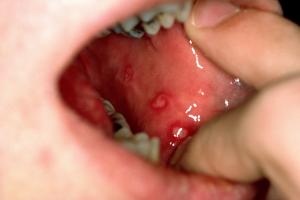
Understanding Mouth Ulcers: Causes, Symptoms, and Treatment
Mouth ulcers, also known as canker sores, are a common occurrence that can cause discomfort and pain for many individuals. These small, shallow lesions that develop on the soft tissues inside the mouth can make simple tasks like eating and talking a challenge. Let’s delve into the causes, symptoms, and treatment options for mouth ulcers.
Causes of Mouth Ulcers
The exact cause of mouth ulcers is often unknown, but several factors can contribute to their development. These include:
- Minor injury: Accidental biting of the cheek or lip can lead to the formation of mouth ulcers.
- Stress: Emotional stress or anxiety is believed to trigger the onset of ulcers in some individuals.
- Dietary factors: Certain acidic or spicy foods may irritate the delicate tissues in the mouth, leading to ulcer formation.
- Underlying health conditions: Conditions such as vitamin deficiencies, autoimmune disorders, and gastrointestinal diseases can increase susceptibility to mouth ulcers.
Symptoms of Mouth Ulcers
Mouth ulcers typically present with the following symptoms:
- Pain or discomfort: Ulcers can be painful, especially when eating or drinking.
- Sensitivity: The affected area may be sensitive to touch or certain foods.
- Inflammation: Redness and swelling around the ulcer site are common symptoms.
- Persistent sores: While most ulcers heal within a week or two, recurrent or large ulcers may require medical attention.
Treatment Options for Mouth Ulcers
In most cases, mouth ulcers resolve on their own within a week or two. However, certain remedies and treatments can help alleviate symptoms and promote healing. These include:
- Over-the-counter medications: Topical gels or oral rinses containing analgesic and anti-inflammatory ingredients can provide relief from pain and inflammation.
- Mouthwash solutions: Antiseptic mouthwashes can help prevent infection and promote healing of mouth ulcers.
- Dietary modifications: Avoiding spicy, acidic, or rough-textured foods during ulcer flare-ups can prevent further irritation.
- Stress management techniques: Practicing relaxation techniques such as meditation or yoga may help reduce stress levels and prevent recurrent ulcers.
If mouth ulcers persist beyond two weeks, increase in size or frequency, or are accompanied by other concerning symptoms such as fever or fatigue, it’s essential to seek medical advice from a healthcare professional for further evaluation and treatment options. Remember that early intervention can help manage mouth ulcers effectively and improve your overall oral health.
Maintaining good oral hygiene practices and adopting a healthy lifestyle can also play a significant role in preventing the recurrence of mouth ulcers. By staying informed about potential triggers and taking proactive steps to address them, you can minimise the impact of these pesky sores on your daily life.
8 Effective Tips for Managing and Soothing Mouth Ulcers
- Avoid spicy and acidic foods that can irritate mouth ulcers.
- Rinse your mouth with salt water to help reduce inflammation and pain.
- Apply a small amount of honey or coconut oil directly on the ulcer for soothing relief.
- Avoid chewing gum or hard, crunchy foods that can aggravate mouth ulcers.
- Stay hydrated by drinking plenty of water throughout the day.
- Try using over-the-counter topical gels or creams specifically designed for mouth ulcers.
- Manage stress levels as stress can trigger or worsen mouth ulcers.
- Consult a healthcare professional if mouth ulcers persist for more than two weeks or are accompanied by severe pain.
Avoid spicy and acidic foods that can irritate mouth ulcers.
To alleviate discomfort and promote healing of mouth ulcers, it is advisable to steer clear of spicy and acidic foods that can exacerbate irritation. By avoiding these triggers, individuals can help reduce inflammation and sensitivity in the affected areas, allowing the ulcers to heal more effectively. Opting for gentle, non-irritating foods during this time can aid in soothing the discomfort associated with mouth ulcers and support the healing process.
Rinse your mouth with salt water to help reduce inflammation and pain.
Rinsing your mouth with salt water is a simple yet effective tip for managing mouth ulcers. The saline solution helps reduce inflammation and alleviate pain associated with ulcers, providing relief and promoting healing. Salt water has natural antiseptic properties that can also help prevent infection in the affected area. Incorporating this easy home remedy into your oral care routine can be a soothing and cost-effective way to support the healing process of mouth ulcers.
Apply a small amount of honey or coconut oil directly on the ulcer for soothing relief.
For soothing relief from mouth ulcers, consider applying a small amount of honey or coconut oil directly onto the affected area. Both honey and coconut oil possess natural healing properties that can help alleviate pain and inflammation associated with mouth ulcers. The gentle application of these remedies may provide comfort and promote the healing process, offering a simple yet effective way to manage discomfort caused by these pesky sores.
Avoid chewing gum or hard, crunchy foods that can aggravate mouth ulcers.
To alleviate the discomfort of mouth ulcers, it is advisable to steer clear of chewing gum or consuming hard, crunchy foods that can exacerbate the condition. These types of foods can irritate the sensitive tissues in the mouth, potentially leading to increased pain and delayed healing of ulcers. By avoiding such triggers and opting for softer, gentler food options, individuals can help promote a more comfortable healing process for their mouth ulcers.
Stay hydrated by drinking plenty of water throughout the day.
To help alleviate mouth ulcers and promote oral health, it’s essential to stay hydrated by drinking plenty of water throughout the day. Adequate hydration not only helps maintain moisture in the mouth but also aids in flushing out bacteria and toxins that may contribute to ulcer formation. By making hydration a priority and ensuring you drink enough water daily, you can support the healing process of mouth ulcers and reduce discomfort associated with these pesky sores. Remember, a well-hydrated body is key to overall well-being and can play a significant role in preventing oral health issues.
Try using over-the-counter topical gels or creams specifically designed for mouth ulcers.
For individuals dealing with mouth ulcers, a helpful tip is to consider using over-the-counter topical gels or creams that are specially formulated to target these pesky sores. These products can provide relief from pain and inflammation associated with mouth ulcers, making it easier to eat, drink, and speak comfortably. By applying these topical treatments as directed, individuals may experience faster healing and symptom relief, allowing them to manage their mouth ulcers more effectively.
Manage stress levels as stress can trigger or worsen mouth ulcers.
Managing stress levels is crucial when it comes to dealing with mouth ulcers. Stress has been identified as a potential trigger for the onset or exacerbation of these painful sores inside the mouth. By taking proactive steps to reduce stress through relaxation techniques, mindfulness practices, or seeking support, individuals can potentially minimise the likelihood of experiencing troublesome mouth ulcers. Prioritising mental well-being not only benefits overall health but also plays a significant role in maintaining oral health and preventing recurrent episodes of mouth ulcers.
Consult a healthcare professional if mouth ulcers persist for more than two weeks or are accompanied by severe pain.
It is advisable to consult a healthcare professional if mouth ulcers persist for more than two weeks or are accompanied by severe pain. Seeking medical advice in such cases is crucial to rule out any underlying health conditions and ensure appropriate treatment. Persistent or painful mouth ulcers may require further evaluation by a healthcare provider to determine the cause and provide effective management strategies. Early intervention can help alleviate discomfort and prevent potential complications associated with prolonged ulceration. Remember, your oral health is important, so don’t hesitate to seek professional assistance when needed.
Understanding Mouth Ulcers: Causes, Symptoms, and Treatment Mouth ulcers, also known as canker sores, are a common occurrence that can cause discomfort and pain for many individuals. These small, shallow lesions that develop on the soft tissues inside the mouth can make simple tasks like eating and talking a challenge. Let’s delve into the causes,…